 ROOT PARTY
Blog · November 21, 2026 · 5 min read
What is a food forest? The 7 layers explained, with plants for each
A food forest is an edible garden designed like a young woodland. Learn the 7 layers of a food forest, example plants for each, and how to start one.
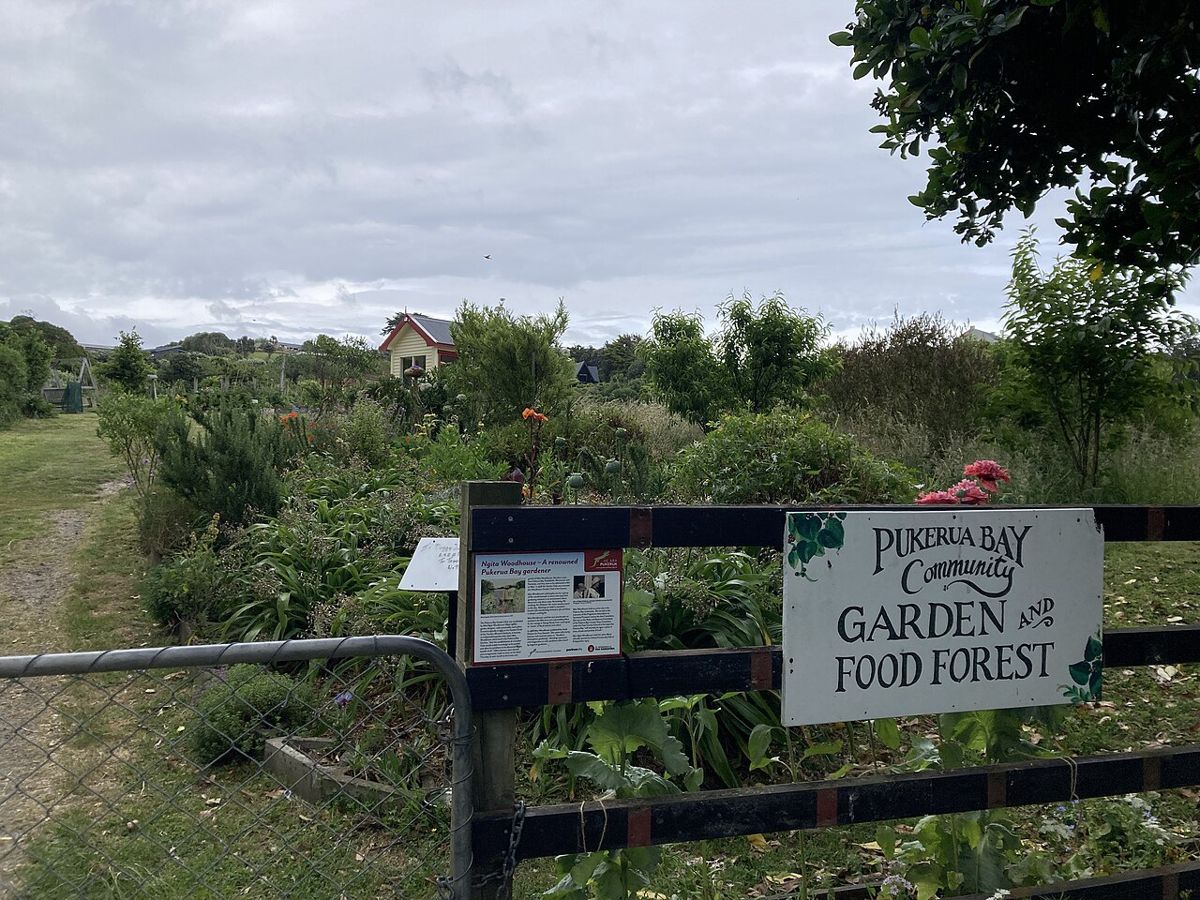
A food forest is a garden planted to work like the edge of a young woodland, except nearly everything in it feeds you. Instead of rows of annual vegetables in bare soil, a food forest stacks perennial plants in layers: tall trees, smaller trees under them, shrubs, herbs, ground covers, roots and vines. Once it fills in, it shades out weeds, holds water, feeds pollinators and gives you fruit, nuts and greens year after year, with far less digging than a vegetable bed.
You'll also hear it called a forest garden or an edible forest garden. They all mean the same thing.
Where the food forest idea comes from
The idea is old. People in the tropics have tended layered home gardens like this for thousands of years. In the 1980s and '90s the English gardener Robert Hart popularized the forest garden for temperate climates and described it in seven layers. Most food forest guides still use his layers today, and food forests are now one of the best-known techniques in permaculture design.
What are the 7 layers of a food forest?
Think of the layers as floors in a building. Each one uses the light, space and soil the floor above it leaves behind.
- Canopy layer: the tallest trees, usually nut trees or large fruit trees.
- Low tree layer (sub-canopy): smaller fruit trees that tolerate some shade.
- Shrub layer: berry bushes and other woody plants under head height.
- Herbaceous layer: perennial herbs and vegetables that die back in winter.
- Ground cover layer: low, spreading plants that protect the soil.
- Root layer (rhizosphere): plants grown for what's underground.
- Vine layer (climbers): plants that use the trees and shrubs as trellises.
Some designers add an eighth layer for fungi, since mushrooms can be grown on logs in the shade. You don't need every layer on day one. Most small food forests start with one tree and a few plants around it, then fill in over a few seasons.
Food forest plants for each layer
These plants grow across much of eastern North America, with natives in the mix. Always check what suits your own hardiness zone, soil and light.
- Canopy: American persimmon (a native), chestnut, or a standard-size apple. In a small yard, one semi-dwarf fruit tree can be your canopy.
- Low tree: pawpaw (a native that's happy in partial shade), serviceberry, dwarf apple or pear.
- Shrub: blueberry, currant, gooseberry, hazelnut, elderberry.
For more natives, see 12 native edible plants for eastern North America.
- Herbaceous: chives, sorrel, rhubarb, bee balm, comfrey.
- Ground cover: strawberries, creeping thyme, white clover.
- Root: garlic, Egyptian walking onions, and Jerusalem artichoke (in a spot where its spreading is welcome).
- Vine: grapes, hardy kiwi, or annual beans grown up a young tree.
Benefits of a food forest
- Less work over time. Perennials come back every year, and a closed canopy shades out weeds.
- Healthier soil. Leaves, mulch and roots build soil instead of leaving it bare.
- Habitat. Native shrubs and flowers feed the pollinators your fruit depends on.
- Resilience. A layered planting copes with drought and heavy rain better than bare beds.
- Food through the seasons. Greens in spring, berries in summer, fruit and nuts in fall.
Downsides to plan for
A food forest asks for patience. Trees take a few years to bear, and the first seasons can look sparse while plants establish. It also needs some planning up front: where the shade will fall in ten years, which plants need a pollination partner, and which spread aggressively. None of it is hard, but it's worth working out before you plant.
Food forest vs. a vegetable garden
A vegetable garden is mostly annuals: you replant every year, the soil is often bare between crops, and yields come quickly. A food forest is mostly perennials: slower to start, but it keeps producing with less replanting, and the soil stays covered. Many gardeners do both, with annual beds in the sunniest spot and a food forest around the edges.
Food forests and community
Many of the best-known food forests are community projects: a church lawn, a schoolyard, a vacant lot, a park edge. The slow, shared payoff suits a group. Neighbors split the work, share cuttings and divisions, and the harvest feeds more people than one household could eat.
That's the kind of growing Root Party is built for. You can plan a bed or a whole food forest guild, ask projectG.A.I.A., our plant guide, which plants fit your zone and light, and start a Grove so your group can organize work days and swap plants and seeds. See how it works for community gardens and groups and for home growers.
Frequently asked questions
What is the difference between a food forest and permaculture?
Permaculture is a broader design approach for growing food and living with less waste. A food forest is one technique that permaculture designs often use: a layered, mostly perennial planting modeled on a woodland edge.
How long does it take a food forest to produce food?
Ground covers like strawberries and herbs can produce in the first year, berry bushes usually within two or three years, and semi-dwarf fruit trees often within a few years after planting. Full-size and nut trees generally take longer. Planting the fast layers first gives you a harvest while the trees grow.
How much space do you need for a food forest?
Less than most people think. A single fruit tree with a ring of supporting plants, roughly the width of the tree's mature canopy, is a complete small food forest. You can add more of these "guilds" as space allows. See what to plant in a fruit tree guild.
Can a food forest grow in partial shade?
Partly. Most fruit wants at least six hours of direct sun, but several food forest plants tolerate partial shade, including pawpaw, currants and gooseberries. Put the sun-lovers on the sunny side and the shade-tolerant plants underneath and to the north.
Does a food forest need maintenance?
Yes, especially in the first two or three years: watering new plants, topping up mulch, pruning, and pulling weeds until the plants close in. After that, the work drops to pruning, harvesting and occasional thinning.
How to start your own food forest
Start small: pick one tree you'd love to eat from, plant it where it gets plenty of sun, and build a ring of supporting plants around it. Our step-by-step guide to starting a food forest in a small yard walks through it.
Keep reading