 ROOT PARTY
Blog · November 22, 2026 · 4 min read
How to start a seed library or seed swap in your neighborhood
A seed library lets neighbors borrow, grow and return seeds for free. How to start a seed library or host a seed swap, with what to save, label and store.
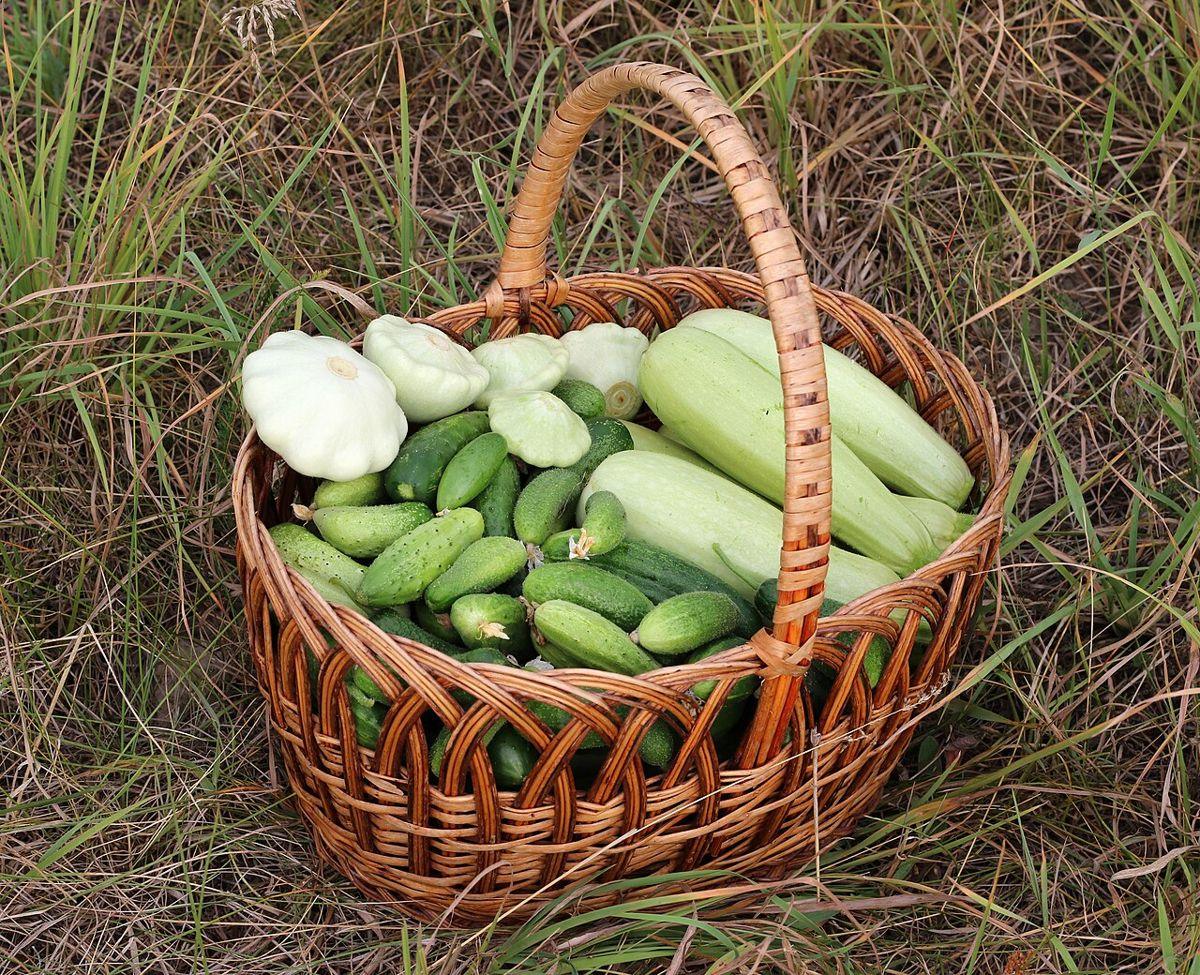
A seed library is a shared collection of seeds that anyone can take from for free. The idea is that you grow the plants, save some seed at the end of the season, and bring it back. A seed swap is the one-day version: people bring their spare seeds to one place and trade.
Both keep good local varieties in circulation, save everyone money, and give neighbors a reason to meet. Here's how to start either one.
Seed library or seed swap: which to start?
Start with a swap. It needs a table, a date and a few gardeners. If the swap goes well, the leftover seeds become the first stock of a library.
How to host a seed swap
- Pick a time. Late winter works well, when people are planning and before they've bought seed.
- Find a space. A library meeting room, a community garden shed, a porch or a table at an existing event.
- Spread the word a few weeks ahead, and tell people it's fine to come with nothing to trade.
- Set out tables by type: vegetables, herbs, flowers, native plants.
- Provide envelopes, pens and labels, so people can split packets and take small amounts.
- Ask everyone to label what they bring with the plant, the variety and the year the seed was saved or packed.
At the end, gather what's left. That's your seed library.
How to start a seed library
1. Find a home for it
A seed library needs a dry, cool place indoors that people can get to. Public libraries are the classic host and are often glad to do it. Community gardens, schools and community centers also work.
2. Choose a container
An old card catalog is the favorite, but a photo box or a set of small drawers with dividers does the job. Sort by plant type, then alphabetically.
3. Stock it
- leftover seed from a swap
- donations from local gardeners
- seed companies, many of which donate last year's packets if you ask
4. Make simple rules
Keep them short and post them on the box:
- take what you'll plant, and leave some for others
- label everything you bring
- return seed if you can, but nobody is checked or fined
- no seeds from invasive plants
5. Teach seed saving
A seed library only refills if people know how to save seed. A one-page handout or a short workshop each year makes the difference.
Which seeds are easiest to save?
Start with plants that pollinate themselves, because their seeds grow into plants like the parent:
- Beans and peas: leave pods on the plant until dry and brown, then shell.
- Lettuce: let a plant flower, and shake the fluffy seed heads into a bag.
- Tomatoes: scoop seeds from a ripe fruit, rinse and dry them. Many gardeners ferment them in water for a few days first.
- Peppers: take seeds from a fully ripe fruit and dry them.
Leave these for later, since they cross easily with other varieties nearby and the seed may not come true:
- squash, pumpkins and cucumbers
- corn
- cabbage-family crops
Two more things to know. Seed saved from hybrid varieties (marked F1 on the packet) won't reliably grow into the same plant, so save from open-pollinated or heirloom varieties. And only save seed from healthy plants.
How to label and store seeds
A useful label has four things: the plant, the variety, the year, and where it was grown. Notes like "early" or "did well in shade" are a bonus.
Seeds last longest when they're kept cool, dry and dark:
- dry seeds thoroughly before packing them
- use paper envelopes inside a sealed tin or jar
- keep the container away from heat and sunlight
How long seed lasts depends on the plant. Onion and parsnip seed is best used within a year or two. Beans and peas often last three or four years, and tomato seed can last longer than that. When in doubt, sprout a few seeds on a damp paper towel to test them.
Know your local rules
- Seed laws: most seed laws are written for companies that sell seed. Many places treat free, non-commercial sharing differently, but the rules vary. If you're setting up a permanent library, check with your state's department of agriculture.
- Invasive and regulated plants: don't accept seed from plants listed as invasive or noxious where you live.
- Protected varieties: some commercial varieties are patented or protected, and their seed isn't meant to be saved and passed on. Heirloom and open-pollinated varieties are the safe choice.
- Native seed: don't collect seed from wild plants without permission, and never take more than a small share.
Keep it going with your neighbors
A seed library works best as part of something bigger: a community garden, a gardening club or a street that grows together. Seeds of native edible plants and food forest plants are especially worth sharing, since they can be hard to find in stores.
Root Party has this built in. A Grove can run a seed library for its members, and anyone can list spare seeds, cuttings and tools for neighbors nearby. See how it works for community gardens and groups.
Frequently asked questions
Is a seed library free?
Yes. You take seeds at no cost. Returning saved seed at the end of the season is encouraged but not required.
Do I have to bring seeds to a seed swap?
No. Most swaps welcome people who come with nothing, especially beginners. Bring envelopes or small bags to carry seeds home.
How long do seeds last in storage?
It depends on the plant and how they're stored. Kept cool, dry and dark, many vegetable seeds stay good for two to five years. Onion and parsnip seed fades fastest.
Can I save seeds from store-bought vegetables?
Sometimes, but many store vegetables are hybrids, so the seed may not grow into the same plant. Seed from open-pollinated or heirloom varieties is more reliable.
Are seed libraries legal?
In many places free seed sharing is allowed, but seed laws differ by state. Check with your state's department of agriculture before setting up a permanent library.
Keep reading