 ROOT PARTY
Blog · November 22, 2026 · 5 min read
How to start a community garden in your neighborhood
How to start a community garden in 9 steps: finding people and land, getting permission, testing soil, setting rules, raising money and keeping it going.
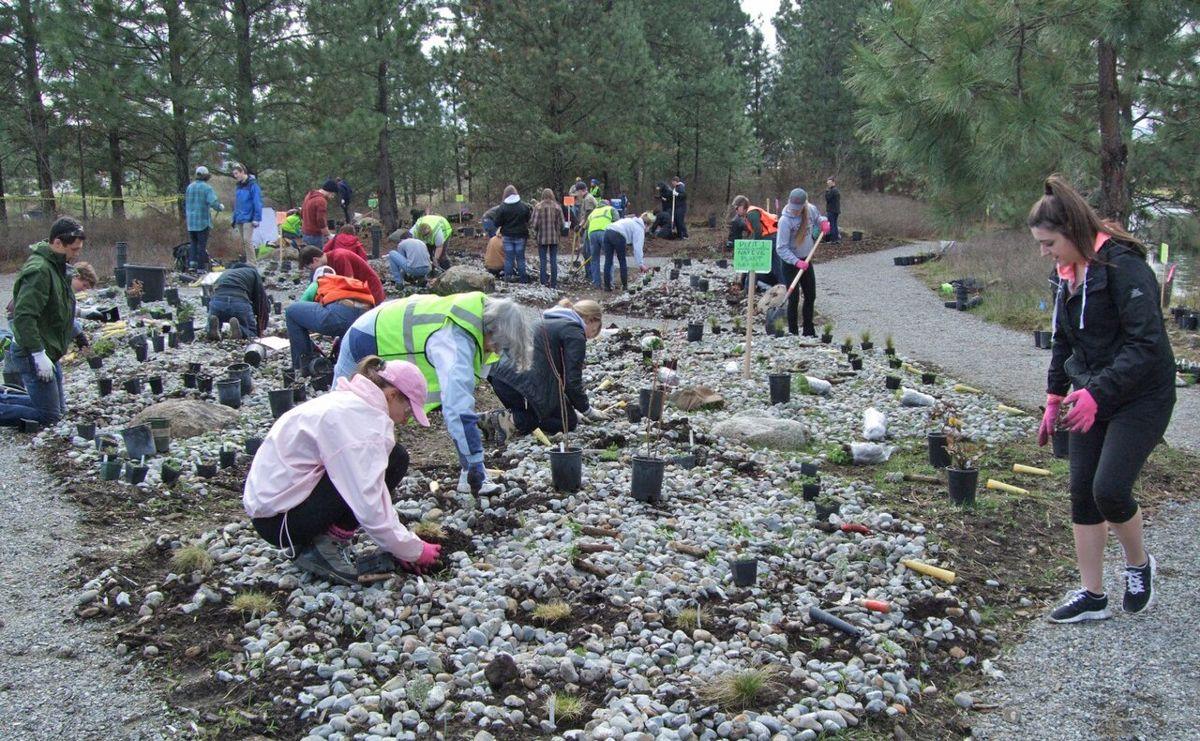
A community garden is a piece of land that a group of neighbors grows on together. Some are divided into plots that each household tends. Others are shared beds where everyone works and everyone harvests. Either way, starting one is mostly a people project. The digging is the easy part.
Here's how to start a community garden, step by step.
Step 1: Find your people first
A garden needs a core group before it needs land. Aim for five to ten people who will commit to showing up. Talk to neighbors, post in local groups, and ask at places that already gather people: schools, places of worship, libraries, tenant associations.
At your first meeting, agree on the basics: who the garden is for, whether you want individual plots or shared beds, and who will take which jobs.
Step 2: Find land
Good places to look:
- Public land: many cities and parks departments run community garden programs or lease vacant lots.
- Schools, places of worship and nonprofits: these often have unused lawn and want it put to use.
- Private owners: a vacant lot owner may welcome a garden that keeps the land tended.
- Land banks and land trusts: some hold vacant land specifically for community use.
A workable site gets at least six hours of direct sun, has access to water, and is easy for people to reach on foot.
Step 3: Get permission in writing
Never build on land without a written agreement with the owner. It should cover how long you can stay, who pays for water, what you're allowed to build, and how much notice either side must give to end it. A multi-year agreement is worth asking for, since soil and fruit trees take years to pay off.
Ask your city whether you need a permit, and whether the zoning allows a garden on that lot.
Step 4: Test the soil
Urban and suburban soil can contain lead and other contaminants, especially near old buildings, roads or former industrial sites. Before you grow food:
- Find out what the land was used for in the past.
- Send soil samples to a lab. Your state's extension service can tell you how, and it's usually inexpensive.
- If results show contamination, or you can't test, grow in raised beds filled with clean soil over a barrier, and cover the paths with mulch.
Before anyone digs, have underground utilities marked. In the United States, call 811. It's free.
Step 5: Sort out water
Water is the most common reason gardens struggle. Find out where the nearest connection is and what a hookup costs. Some cities offer hydrant permits or reduced rates for gardens. Rain barrels help where local rules allow them, but they rarely cover a whole season on their own.
Step 6: Agree on rules
Write a short set of rules while everyone is still excited. Cover:
- how plots are assigned, and what happens to a neglected one
- fees, if any, and what they pay for
- shared duties like mowing paths and turning compost
- what's not allowed (many gardens ban synthetic pesticides and invasive plants)
- how decisions get made, and who to contact with a problem
Keep it to one page. Rules that people can remember work better than long ones.
Step 7: Find money and materials
A small garden can start cheaply. Common sources:
- Plot fees, kept low or on a sliding scale
- Local grants from cities, community foundations and garden clubs
- Donations of lumber, compost, mulch and tools from local businesses
- Free wood chips from tree services, and compost from municipal programs where offered
Ask whether your group needs liability insurance. The landowner may require it, and a sponsoring nonprofit can sometimes cover the garden under its own policy.
Step 8: Design and build
Plan the layout on paper before the first work day:
- beds no wider than about four feet, so people can reach the middle
- paths wide enough for a wheelbarrow, with at least one accessible to wheelchairs
- a compost area, a tool store and a notice board
- a shared space with a bench or table, and perhaps a perennial corner with fruit trees or a small food forest
Then hold a build day. People who help build a garden tend to stay with it.
Step 9: Keep it going
Gardens fade when the work falls on two or three people. What helps:
- regular work days on a fixed schedule
- one clear way to reach everyone
- a shared tool shed and seed stock, so new members can start without spending money (see how to start a seed library)
- events that aren't work: a harvest potluck, a seed swap, a workshop
Root Party's Groves are made for this part. A Grove gives your group one place for events and work days with RSVPs, a tool library with reservations, a seed library, and a spot on the local map so neighbors can find you and ask to join. See how it works for community gardens and groups.
Frequently asked questions
How much does it cost to start a community garden?
It varies widely. A small garden on donated land with donated materials can start for a few hundred dollars. Water hookups, fencing and soil for raised beds are usually the biggest costs.
How much land do you need for a community garden?
Less than you'd think. A standard city lot can hold fifteen to twenty small plots plus paths and compost. A garden with five or six beds on a church lawn is still a community garden.
Do you need insurance for a community garden?
Often yes. Many landowners require liability insurance before they'll sign an agreement. Ask whether a sponsoring nonprofit, church or city program can include the garden in its policy.
Who owns the food grown in a community garden?
Whatever your rules say. In plot gardens, each gardener keeps what they grow. In shared gardens, the harvest is usually split among the people who work, with some donated to a food pantry.
Is city soil safe for growing vegetables?
It depends on the site. Have the soil tested for lead and other contaminants before growing food. If it's contaminated, raised beds filled with clean soil let you garden safely on top.
Keep reading